
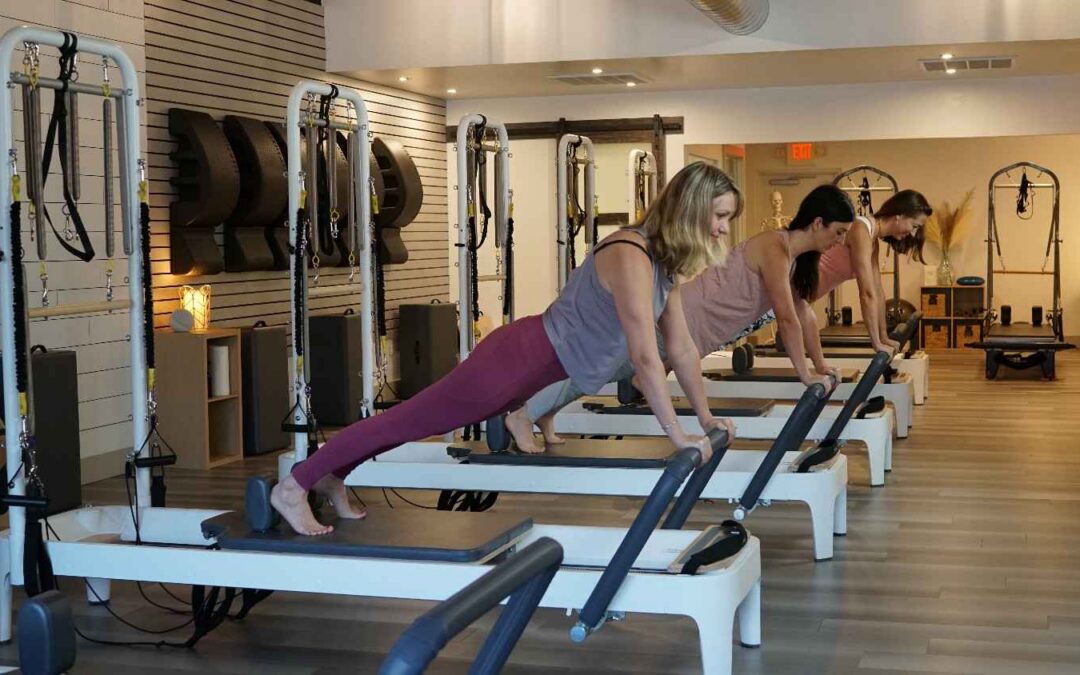
Pilates has become a go-to fitness method for people who want to build strength, improve flexibility, reduce pain, and move better in everyday life. Whether you attend mat Pilates classes or join Reformer Pilates at a local studio, you likely have one common question: How often should I actually practice Pilates? The answer depends on your goals, your body, and your lifestyle. More sessions do not always guarantee better results. In many cases, consistent practice and proper recovery matter more than intensity or volume.
This guide explains why Pilates frequency matters, helps you set a schedule based on your goals, and shows you how to balance Mat and Reformer Pilates safely, especially if you train at a reformer Pilates studio in the Tarpon Springs area.
Why Pilates Frequency Matters
Pilates is built on control, precision, breathing, and alignment. Because of this, how often you practice plays a significant role in how your body adapts over time.
Consistency Builds Strength and Stability
Regular Pilates practice improves core strength, postural alignment, flexibility, and body awareness. Practicing consistently allows your muscles and nervous system to learn movement patterns gradually, leading to better coordination and control.
In contrast, occasional sessions, once every couple of weeks, often feel like starting over. Progress becomes slower, and the body does not fully adapt to the work.
Routine vs. Sporadic Practice
A structured routine, even with fewer sessions per week, is more effective than irregular training. Pilates rewards repetition and mindful movement. Showing up consistently allows you to build strength safely and notice improvements in mobility, balance, and overall movement quality.
Recovery Is Part of Progress
Pilates may look gentle, but it places meaningful demands on deep stabilizing muscles. Recovery days give the body time to adapt, rebuild, and improve. Finding the right frequency means balancing effort with rest, not pushing through fatigue.
How Often Should You Do Pilates Based on Your Goals
Your ideal Pilates schedule depends on what you want to achieve. Below are general guidelines used by instructors across Reformer Pilates classes and Mat programs.
Pilates for Beginners
If you’re new to Pilates, less is often more. Recommended frequency: 2–3 times per week
Starting with two to three sessions allows your body to learn the fundamentals without overload. Early Pilates practice focuses on posture, breathing, alignment, and controlled movement. Learning correct form is essential. Attending beginner-friendly Mat Pilates classes or guided Reformer sessions helps build body awareness and confidence. Overtraining early on can lead to soreness, frustration, or poor movement habits. A steady start supports long-term success.
Pilates for Strength and Toning
Pilates is highly effective for building lean strength, especially in the core, hips, and upper body. Ideal frequency: 3–4 times per week
At this stage, many people benefit from combining Mat Pilates classes with Reformer sessions. The reformer adds resistance through springs, allowing for progressive strength development while maintaining joint support. Alternating formats keeps training balanced and prevents overuse while continuing to challenge the body.
Pilates for Flexibility and Mobility
Pilates improves flexibility through controlled, active movement rather than passive stretching. Recommended frequency: 2–4 times per week
Slow, deliberate exercises encourage length, mobility, and joint stability at the same time. This approach is particularly helpful for desk workers, active adults, and individuals with tight hips, backs, or shoulders. Regular practice supports long-term mobility and reduces stiffness caused by prolonged sitting or repetitive activities.
Pilates for Weight Loss and Conditioning
Pilates supports weight loss by building muscle, improving movement efficiency, and increasing overall activity levels. Suggested frequency: 3–4 times per week
For conditioning-focused goals, Pilates works best when paired with cardio or strength training. Reformer Pilates sessions can be more physically demanding due to spring resistance, while Mat classes build muscular endurance and control. Barre classes can also be a strong complement to Pilates for weight loss and conditioning. Barre emphasizes high-repetition, low-impact movements that target the glutes, thighs, and core, helping improve muscular endurance and increase calorie expenditure. When combined with Pilates, barre can enhance lower-body strength while maintaining joint-friendly movement patterns.
A balanced weekly routine might include Reformer sessions for resistance-based strength, Mat Pilates for core control, and barre classes for endurance and sculpting. Sustainable consistency produces better results than short-term overtraining.
Pilates for Rehabilitation or Injury Recovery
Pilates is often recommended for rehabilitation when guided by trained professionals. Safe frequency: 1–3 times per week
Working with certified instructors at a trusted reformer Pilates Tarpon Springs FL studio ensures exercises are modified appropriately. Sessions focus on controlled movement, alignment, and rebuilding strength without aggravating injuries. Listening to your body and progressing gradually is critical during recovery.
How Mat and Reformer Pilates Affect Frequency
Understanding the difference between Mat and Reformer Pilates helps you plan a balanced schedule.
Intensity and Muscle Load
Mat Pilates relies on bodyweight resistance and requires greater control and stability. Reformer Pilates adds spring resistance and support, which can increase intensity while reducing joint strain. Because of these differences, many people alternate between formats to avoid overuse and maintain balanced strength.
When to Alternate Sessions
A common approach is two Reformer sessions and one Mat class per week, or vice versa, depending on experience level and goals. This balance supports strength, flexibility, and recovery.
Understanding Whether Your Pilates Frequency Is Right
Your body will usually signal when your training frequency needs adjustment. Here’s how you can understand.
Signs You May Be Overtraining
- You feel increasing tightness when performing exercises, even movements that previously felt smooth and controlled.
- Instead of getting stronger, your performance declines. Exercises feel harder, and stability decreases.
- You notice more stiffness during sessions, especially in the hips, knees, or lower back.
- Old imbalances begin to resurface. If one muscle group was previously dominant, fatigue can cause your body to fall back into compensation patterns.
- Aches such as knee pain, hip discomfort, or lower back tension begin to appear.
When this happens, Pilates becomes counterproductive. The body reverts to old habits instead of building balanced strength. Common signs of overtraining include muscle stiffness, performance declines, and recurring pain.
Signs You May Be Undertraining
- You are not seeing noticeable strength gains.
- Progress feels very slow.
- The benefits of a session fade quickly after a day or two.
Undertraining is generally less harmful, it simply slows progress. Even attending once per week can produce some improvement.
Sample Pilates Schedules
Beginner Weekly Schedule
- 2 Mat Pilates classes
- Optional light mobility or walking on off days
Intermediate or Advanced Schedule
- 2 Reformer Pilates classes
- 1 Mat Pilates classes
- 1 active recovery or mobility day
Busy or Low-Impact Routine
- 2 Pilates sessions per week
- Short daily mobility or stretching
How to Find Your Ideal Pilates Routine
Finding the right routine requires honesty about your goals, schedule, and recovery needs.
Consider:
- Your fitness level
- Your lifestyle and availability
- How your body feels between sessions
Rest days are not setbacks they are part of progress. Consulting experienced instructors at a reformer Pilates studio helps tailor a plan that supports long-term consistency.
Conclusion
There is no one-size-fits-all answer to how often you should do Pilates. The most effective approach balances consistency with recovery and aligns with your personal goals. Whether you’re attending mat Pilates classes near me or training regularly at a reformer Pilates Tarpon Springs FL studio, steady practice over time delivers the best results.
Start where you are, build gradually, and focus on sustainable movement habits. With the right frequency and guidance, Pilates becomes more than a workout it becomes a long-term foundation for strength, mobility, and overall well-being.